
Designed by Webtrova


Our laboratory investigates mammalian red blood cell development, with a current focus on genes involved in immune responses in adult type red blood cell production and regeneration; and the role of the Wnt signaling pathway in embryonic red blood cell development. We use genetic mouse models, primary human progenitor cells, and molecular, cell biological, biochemical analyses. and computational approaches in our research.

The central research goal of the Ito Lab is the expansion of our understanding of the regulatory pathways controlling the equilibrium of hematopoietic stem cells. We are devoting increased attention to targeting cellular metabolism as a therapeutic strategy, and have cut a path along the leading edge of research into the role of epigenetic controls in the pathogenesis of myelodysplastic syndrome. We believe our expertise in stem cell biology, hematology, and the bone marrow microenvironment, combined with our development of single-cell approaches and live imaging to tracking stem cell fate in vivo and leukocyte behavior in sickle cell disease animal models, will together facilitate a major contribution to the development of new therapies and treatments, and potentially even cures, for many forms of hematologic pathology.

I serve as a career advisor, especially on "Funding & Grantsmanship".
My laboratory applies molecular and biochemical techniques to further our understanding of the underlying molecular and biochemical mechanisms of urogenital disease. We take a highly interdisciplinary approach to research, and have developed collaborations with other investigators, who may not have previously applied their expertise to the field of urology. This has led to diverse research interests, such as, i) investigating mechanisms to facilitate cavernous/peripheral nerve regeneration as a treatment to erectile dysfunction following radical prostatectomy, ii) the use of nanoparticles as a dermal delivery vehicle for various agents used to treat urogenital disease, iii) the role of the MaxiK channel expressed in the urothelium in regulating overall bladder activity, iv) the molecular mechanisms underlying the development of priapism associated with sickle cell disease, v) the role of the microbiome in the development of kidney stone disease, vi) the role of opiorphin in sperm motility and vii) the mechanism of hyperglycemic memory in the diabetic bladder.
In our lab we study urogenital conditions, such as bladder dysfunction and female sexual dysfunction, observed in the context of diabetes, neurologic disorders, Chronic Pelvic Pain, and stress. Our goal is to better understand the pathophysiological mechanisms and identify novel molecular mediators that can be therapeutically targeted to treat these conditions.
Dr. Nosanchuk's laboratory has 2 main research programs that focuses on the development of novel therapeutics and microbial pathogenesis. For therapeutics, the laboratory is developing nano- and micro-particles for sustained release of compounds as well as monoclonal antibodies. The group is also exploring mechanisms for pathogenesis of bacteria and fungi, especially drug resistant pathogens.
Systems Bioengineering Lab aims to understand the principles of cellular decision-making and to use this knowledge in therapeutics discovery. We employ multiscale experimental and computational techniques as well as microfabrication and tissue engineering methods to study mechanobiology, biomechanics, and tissue regeneration using renal and vascular model systems.
My lab uses systems biology approach to identify potential biomarkers and drug targets for diabetic kidney disease and HIV kidney disease. We also study cell biology and cellular injury mechanisms of podocytes and glomerular endothelial cells in glomerular diseases. We also studies the mechanisms of kidney fibrosis.

I am a pediatric hematologist with a primary research interest in pediatric sickle cell disease. Her work focuses on biological, neurological, cultural and behavioral aspects of disease heterogeneity with a focus on optimizing response to therapies. NIH-funded research includes community-based interventions for improving therapeutic impact in youth with sickle cell disease and, separately, an East African intervention trial for neurological protection from sickle cell disease in children.

The incidence of diabetes and obesity has reached epidemic proportions and treatment and diagnostic strategies are inadequate. The complications of diseases of insulin resistance are vast and include cardiovascular and urologic disease. Strong evidence suggests perturbation of the early developmental environment (e.g. nutrient, stress, toxins) has lasting effects that enhance the offspring’s disease risk mediated through alterations in the epigenome. The ultimate goal of our studies, clinical cohorts and mouse models, is to define the molecular mechanism(s) underlying the pathogenesis of diabetes and obesity that may lead to novel therapeutics and potential cures for these diseases and their associated comorbidities.

The focus of the Satlin lab is on defining the mechanisms leading to the acquisition, maintenance and regulation of transepithelial transport in the mammalian cortical collecting duct, a nephron segment responsible in the adult for the final renal regulation of total body K+ and Na+ homeostasis. Specifically, her lab continues to expand on two major discoveries: (1) unique developmental programs underlying the postnatal expression of ion channels responsible for Na absorption (ENaC) and K secretion (SK/ROMK and BK channels) in this epithelium, thus establishing the physiological basis for total body Na and K retention required for somatic growth and maintenance of blood pressure, and (2) the role of variations in urinary flow rate (i.e., hydrodynamic forces) in mechanoregulation of renal epithelial ion channels in health and disease. Recent efforts have been devoted to developing model systems, including 3D bioprinted collecting ducts and human PSC-derived kidney organoids, which recapitulate ion transport and signaling phenotypes of the in vivo distal nephron.
Our research program focuses on investigating the molecular mechanisms involved in the development and progression of chronic kidney disease. We have found evidence that a highly specialized family of transcription factors, Krüppel-Like Factors (KLFs), are critically involved in regulating fundamental cellular processes in the kidney such as cell differentiation, cell metabolism, and cell death.

Our laboratory specializes in cell biological and physiological studies of gap junctions. Current research interests include glial-neuronal interactions in dorsal root gnaglia underlying chronic pain and roles of gap junctions and water channels in intercellular signaling and establishing water balance in brain and other tissues.

My lab focuses on examining patient-reported outcomes following diagnosis and treatment of urologic cancers including prostate and bladder cancer.
Our lab is interested in molecular mechanisms of co-regulation between erythropoiesis and iron metabolism using mouse and human primary cells, mouse models, and cell lines. We are currently focused on understanding how iron handling is dysregulated systemically and specifically in the bone marrow in patients with and mouse models of beta-thalassemia, polycythemia vera, and myelodysplastic syndrome. In the last few years, we have extended our focus toward understanding the role of erythroferrone (ERFE), an erythroid regulator of hepcidin, also in bone homeostasis and its contribution to iron mishandling in the brain leading to iron accumulation in the brain during aging and in neurodegenerative diseases.

The goal of our research is to improve care and outcomes of thyroid cancer patients combining basic, clinical and epidemiological research, focusing on environmental exposures contributing to thyroid cancer.
The Institute for Translational Epidemiology at the Icahn School of Medicine at Mount Sinai aims to establish a strong program in epidemiologic research that connects to clinical, basic, and applied research programs within the Mount Sinai Health System. Our vision is to advance interdisciplinary and patient-oriented research and to contribute to translational and integrative research at the School of Medicine.
Lin laboratory focuses on the understanding of pathogenesis and molecular regulation of kidney injury and repair as well kidney disease related to premature birth. We take a wide range of approaches ranging from using ischemia- and nephrotoxic medication-induced kidney injury in mice for renal structural and functional analysis to adopting state-of-the-art technologies such as single cell RNA sequencing for comprehensive transcriptional profiling. Our research goal is to discover potentially actionable cellular and molecular targets to facility the development of future therapeutics to prevent and treat kidney disease.
My lab focuses on understanding the immunologic resistance of BCG in non-muscle invasive bladder cancer. The work is mostly translational using human tumor specimens do perform innovative and high-resolution analysis such as spatial sequencing, single cell rna sequencing and imaging mass cytometry.
The Hopkins Lab runs a functional genomics pipeline that integrates patient derived models with comprehensive genetics in order to develop effective therapeutic strategies for patients in need. To do this the lab develops tumor organoids from patients with metastatic and advanced kidney cancers and runs high throughput small molecule and genetic screens to identify tumor specific drug sensitivities. Combining the functional and genomics data from our pipeline the lab works to understand the mechanisms that drive responses so that they can be leveraged for the development of highly targeted clinical trials.
The Papapetrou lab pioneered human induced pluripotent stem cells (iPSCs) as models of myeloid malignancies – specifically acute myeloid leukemia (AML) and myelodysplastic syndrome (MDS) –, as well as premalignant conditions – inherited bone marrow failure syndromes (IBMFS) and clonal hematopoiesis (CH). By combining patient cell reprogramming with CRISPR/Cas9-mediated precise gene editing, the lab develops models of myeloid leukemias and preleukemic blood disorders and exploits the unique capabilities they offer: the ability to perform genotype-to-phenotype studies and to study the oncogenic mechanisms of driver mutations in a faithful cellular and genomic environment; the ability to obtain relatively homogeneous cell populations in large numbers for multi-omics analyses and genetic and small molecule screens; and, finally, the ability to validate findings thoroughly through functional assays in isogenic conditions. With these models and strategies the Papapetrou lab seeks to uncover novel disease mechanisms and to identify and validate new therapeutic targets for CH, IBMFS, MDS and AML.
We study the role of redox homeostasis within the heme degradation pathway in hematopoiesis. Mechanistic studies are integrated with a drug develoment program to dissect mechanisms and identify novel inhibitors that may regulate lineage fate.

Our interest is in identifying lineage-specific transcriptional regulatory mechanisms that establish red blood cell-specific gene expression. These issues are being addressed by functional analysis of wild-type and mutant forms of an erythroid-enriched regulator we identified a number of years ago named EKLF (erythroid Krüppel-like factor; KLF1). Biochemical, molecular, cellular, developmental, and genetic studies in mice and humans have established that EKLF/KLF1 is an essential component required for globin switching and completion of the definitive erythroid program.
Our laboratory studies how hematopoietic stem cells (HSC) regulate blood production during the lifetime of an ever-changing organism. This fundamental question is central to tissue development, maintenance and regeneration, and has implications for every aspect of adult physiology ranging from response to stress, development of diseases, and biology of aging. We are interested in identifying the mechanisms that control HSC activity in normal and a range of deregulated conditions, with the goal of identifying affected genes and pathways that could be used to develop new therapies to treat human myeloid malignancies and help combat physiological aging. Towards this end, we are employing a variety of cross-disciplinary approaches using mouse models and human samples.
Our interest is in identifying lineage-specific Human tumorigenesis is a complicated process marked by a loss of the cell’s ability to regulate critical cellular processes, such as transcription, RNA processing and translation, leading to uncontrollable cell growth. As our understanding of tumorigenesis becomes more sophisticated, a combinatorial approach is necessary to better understand the dynamic coordinated action of very large multi-subunit enzymes and protein complexes controlling these key cellular processes. Recent advances in single-molecule imaging provide an unprecedented spatiotemporal window into probing dynamic functional interactions between these heterogeneous large multi-subunit transcription assemblies and chromatin in real-time. In addition, high-resolution cryo-electron microscopy and genome-wide binding assays allow us to rapidly survey detailed functional interactions on physiologically relevant substrates with limited amounts of samples. Armed with these advanced in vitro and in vivo approaches, our lab seeks to gain a mechanistic understanding of how transcription complexes dynamically regulate expression of tumor suppression pathways and how these processes are altered in cancer.

The Kovacic Laboratory seeks to increase our understanding of blockages of arteries of the heart and other vessels, and develop cell, stem cell, and gene-based approaches for the prevention and treatment of cardiovascular disease.
Our overall aim is to understand the molecular and cellular changes that occur in kidney proximal tubules in acute kidney injury (AKI) and progression of AKI to chronic kidney disease (CKD). Specifically, we are investigating the roles of members of the Krüppel-like factor (KLF) family of transcription factors, in controlling cellular metabolism in normal kidney, and during AKI and CKD.
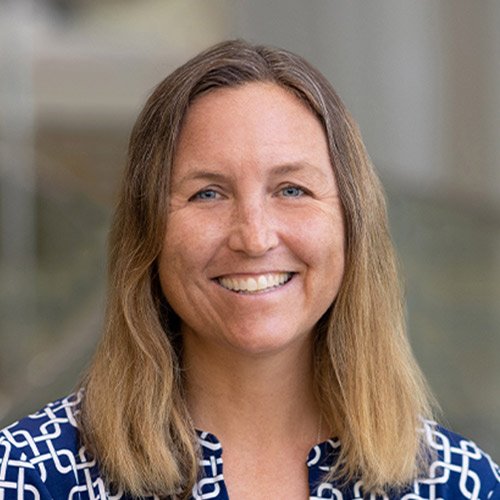
Dr. Reidy’s research focuses on children with glomerular and chronic kidney disease, including NIH-funded NEPTUNE and CureGN studies. Her translational work examines APOL1 risk variants on preeclampsia and perinatal outcomes. Her bench research explores how developmental genes affect kidney repair and fibrosis after injury.

Our lab is interested in the microbiome as a sentinel of human physiology, constantly sensing, processing, and responding to signals from internal and external perturbations. My lab seeks to understand the processes and interactions that drive microbiome connections to, and influence over, human physiology by studying microbiomes as complex, interconnected systems using multi-disease, multi-ecosystem approaches. The broader goal of our work is to understand how to harness microbial ecology, from our bodies to the global oceans, to improve ecosystem health.
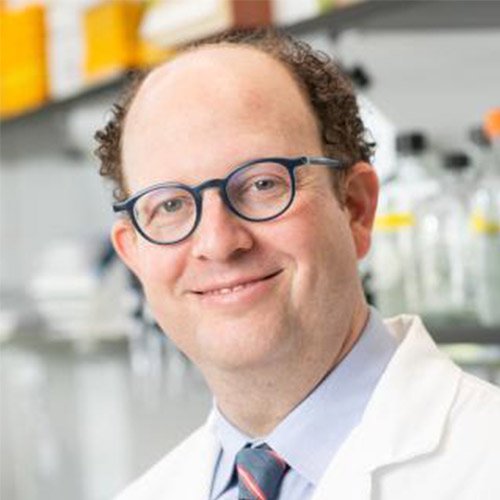
Our laboratory uses genetic mouse models and primary patient samples to understand the role of altered chromatin architecture as a regulator of gene expression/gene silencing that maintain the balance of hematopoietic stem cell self-renewal with differentiation and blood formation.
The Ghaffari lab works on exposing mechanisms that maintain healthy blood stem and progenitor cell production throughout life that may be perturbed in blood disorders. The lab explores these mechanisms to ultimately improve blood production for therapy including bone marrow transplantation and to interfere with disease. The topics of interest in the laboratory are blood forming (hematopoietic) stem cells, their alterations with aging and in myeloid malignancies as well as maturation of red blood cells and their alterations in disease. We are particularly focused on metabolic programs regulated through organelles outside of the nucleus that impact blood production. This approach has been fruitful in identifying new players that are promising in their potential impact on bone marrow transplantation.
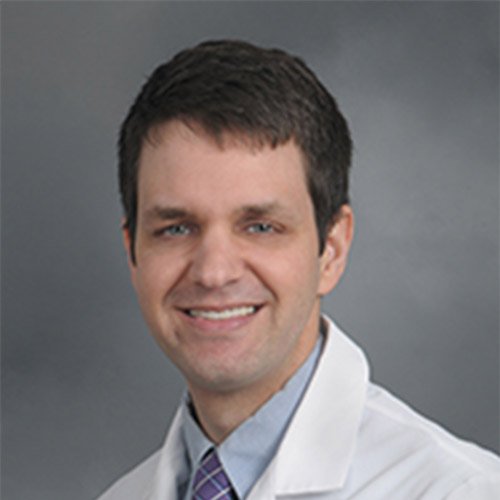
Dr. Williams’s research centers on polymeric mesoscale nanoparticles for kidney‑directed gene and drug delivery and near‑infrared optical nanosensors for real‑time cytokine and drug monitoring, tackling chronic kidney disease and related inflammatory disorders.

Designed by Webtrova